How to Manage Cravings in Addiction Recovery
Updated: Oct 2

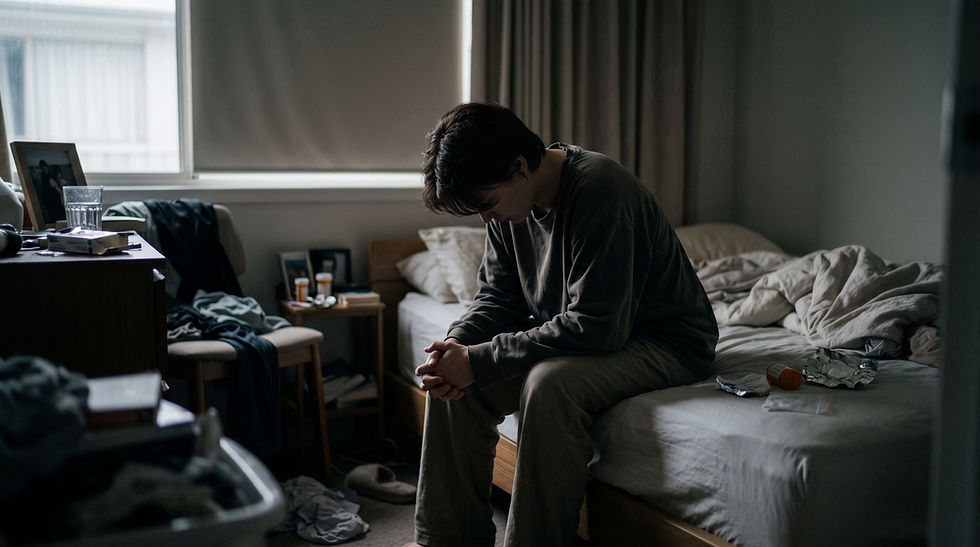
Recovery brings real progress, and it also brings cravings. That sudden pull to use again can show up on a quiet Tuesday afternoon or right after a hard conversation, and it can feel like it undoes weeks of progress in seconds.
Most cravings in addiction recovery peak within minutes and fade within about 30, and they respond best to mindfulness, urge surfing, movement, and support, not white-knuckle willpower alone.
This guide breaks down what cravings actually are, why they happen, and the specific strategies that help people ride them out without relapsing. It also covers when a craving is a sign that it's time for a higher level of care.
In This Article:
What Are Cravings?
Why Cravings Happen and How Long They Last
Proven Strategies to Manage Cravings in Recovery
How Chateau Approaches Craving Management
When to Seek Professional Help
Frequently Asked Questions
What Are Cravings?
Cravings are an intense urge to use a substance or return to a compulsive behavior, even when a person genuinely wants to stay sober. They show up whether someone is working through a substance use disorder or a behavioral addiction like gambling. The brain has adapted to expect a certain chemical response, and a craving is that expectation demanding to be met.
These urges can hit out of nowhere, or they can build after a specific trigger: stress, an old hangout, a hard emotion. Either way, a craving doesn't mean a recovery plan is failing. It means the brain is doing exactly what repeated substance use trained it to do.
The compulsive pull of a craving can make it hard to think about anything else. It can push someone to justify "just this once," even against their own better judgment. But as fast as a craving builds, it also passes.
Why Cravings Happen and How Long They Last
Repeated drug or alcohol use rewires the brain's reward circuit, the same system that drives hunger and thirst. Over time, the brain starts treating the substance like something it needs to survive, not something a person occasionally wants. That's part of why a craving can feel less like a preference and more like an emergency.
Research from the National Institute on Drug Abuse shows that stress cues linked to prior use, including specific people, places, and moods, are among the most common triggers for relapse, which is why craving management and trigger awareness go hand in hand.
Here's the encouraging part: most cravings are short. They typically peak within a few minutes and fade within about 30, especially with a plan in place instead of just gritting through it. Some last longer, particularly early in recovery or during high stress. They still pass.
Proven Strategies to Manage Cravings in Addiction Recovery
No single technique works for everyone every time. Most people build a small toolkit and pull from it depending on the moment.
Accept That Cravings Are Normal
A craving isn't proof that recovery isn't working. It's a normal, expected part of the process, and treating it like a crisis usually makes it feel bigger than it actually is. Naming it out loud, even just internally, ("this is a craving, and it will pass") takes some of its power away.
Try Urge Surfing and Mindfulness
Urge surfing is a mindfulness-based technique built specifically for cravings. Instead of fighting the urge or giving in to it, a person learns to observe it like a wave: rising, peaking, and eventually breaking. A study published through the National Center for Biotechnology Information found that mindfulness-based craving interventions can weaken the link between negative mood and heavy drinking after treatment, which supports urge surfing as more than just a coping metaphor.
Mindfulness practice also helps someone notice the physical signs of a craving before it takes over:
A faster heart rate
Tingling or restlessness
Shallow or irregular breathing
Racing or looping thoughts
Recognizing these signs early gives a person more room to respond instead of react.
Get Moving
Exercise engages both body and mind at the same time, which makes it one of the most effective craving interruptions available. A walk, a bike ride, or a jog with the dog can absorb enough attention to let the craving pass naturally. It also gives the body a productive outlet for the restlessness a craving often brings.
Reconnect with Your Reasons for Sobriety
Cravings tend to glorify the past. They can create a version of using that feels better than it actually was. When that happens, it helps to let the full memory play out, not just the highlight reel, and remember the reasons sobriety mattered enough to fight for in the first place.
Change Your Environment When Needed
Cravings are usually intense but short-lived. When they feel constant or drawn out, there's often a stressor keeping them alive in the environment: a person, a place, an old habit loop. Identifying personal relapse triggers and adjusting the surroundings around them, removing reminders, changing routes, muting a playlist, can reduce how often cravings show up in the first place.
Quick reference: the HALT check. Before reaching for a coping skill, ask whether the craving is being fueled by being Hungry, Angry, Lonely, or Tired. Addressing the physical or emotional gap directly often takes the edge off the craving on its own.
The Bottom Line
Cravings are one of the hardest, and most normal, parts of addiction recovery. They peak fast, they pass faster than they feel like they will, and they respond to real skills: mindfulness, urge surfing, movement, environment changes, and a clear reason to keep going.
Knowing how to manage cravings in addiction recovery is a skill, not a personality trait, and it's one anyone can build. When self-directed tools aren't enough on their own, Chateau's residential program helps someone build a craving management plan that actually holds.
How Chateau Approaches Craving Management
At Chateau Health & Wellness, craving management isn't treated as a stand-alone skill taught in one session. It's built into a trauma-first dual diagnosis model, because cravings are often tied to unresolved trauma, anxiety, or depression running underneath the substance use itself.
Clients receive care in small, dedicated groups with one staff member for every four clients across Chateau's 56-bed residential setting, which means more individual time to build a craving and relapse prevention plan that's actually specific to that person's triggers, not a generic worksheet. Clinical modalities include EMDR, CBT, DBT, and trauma-focused group therapy, alongside dual diagnosis care for clients managing a co-occurring mental health condition alongside addiction.
Program length (30, 60, or 90 days) is determined during the admissions assessment, giving clients with more complex craving and relapse patterns the time to build skills that hold up outside a treatment setting.
When to Seek Professional Help
Coping strategies help with day-to-day cravings. But when cravings are constant, when they're winning more often than not, or when a person has already relapsed while trying to manage them alone, that's a signal that outpatient effort isn't enough on its own. Residential treatment gives someone the structure, clinical support, and distance from triggers that self-directed coping can't always provide.
At Chateau Health & Wellness, we provide residential addiction treatment in Utah in a private, boutique setting in Utah's Wasatch Mountains.
Frequently Asked Questions
What are cravings in addiction recovery?
Cravings are sudden, intense urges to use a substance or repeat a compulsive behavior, even when someone is committed to staying sober. They stem from the brain's reward system adapting to expect the substance. They can feel overwhelming in the moment, but they are a normal and temporary part of recovery, not a sign of failure.
How long do cravings usually last?
Most cravings peak within a few minutes and pass within about 30, especially when met with a coping strategy instead of white-knuckling through them. Some cravings last longer, particularly in early recovery or during high stress, but they still fade with time, and they tend to get shorter and less frequent the longer someone stays in recovery.
Is having a craving a sign of failure in recovery?
No. A craving is not a sign of failure or weakness. It's a normal, expected response as the brain adjusts to life without a substance it had come to rely on. What matters most is not whether a craving shows up, but having a plan ready for when it does.
What is urge surfing and how does it help with cravings?
Urge surfing is a mindfulness technique that teaches a person to observe a craving like a wave instead of fighting it or giving in. By noticing the rise, peak, and fall of the urge without judgment, urge surfing helps someone ride out the craving until it naturally passes, often within minutes.
When should someone seek professional help for cravings?
If cravings feel constant, are leading to repeated relapse, or self-directed coping skills aren't enough to manage them safely, it's time to talk with a licensed clinician or treatment provider. A structured program can offer the clinical support and consistency that managing cravings alone often can't.
At Chateau Health and Wellness Treatment Center, we understand that navigating cravings and staying in control is a significant part of the recovery journey. We're here to support you every step of the way. Our team provides the skills, guidance, and support you need to build a foundation for lasting sobriety. If you or a loved one are struggling with addiction, please know you don't have to face it alone. Call us today at 801-877-1272, together, we can create a path toward a healthier future.
 |  |  |

About The Author

Ben Pearson, LCSW - Clinical Director
With 19 years of experience, Ben Pearson specializes in adolescent and family therapy, de-escalation, and high-risk interventions. As a former Clinical Director of an intensive outpatient program, he played a key role in clinical interventions and group therapy. With 15+ years in wilderness treatment and over a decade as a clinician, Ben has helped countless individuals and families navigate mental health and recovery challenges.