
What is equine-assisted therapy?
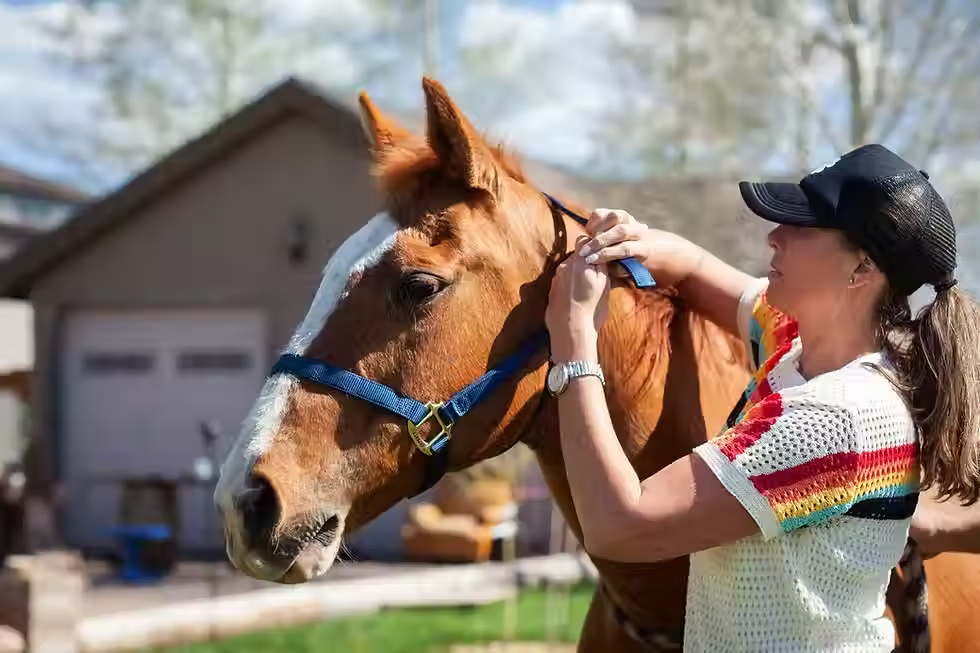
Equine therapy, also called horse therapy, involves spending time with horses in a therapeutic setting. Activities may include observing a horse, grooming it, or leading it, followed by a conversation about the experience.
When these activities are part of psychotherapy, the approach is called equine-assisted psychotherapy. The conversation focuses on how your responses relate to life outside the session

03
Reflect
Talk about what you noticed. You might connect a moment of uncertainty with a situation at home, or discuss how you communicate when you feel uncomfortable.
01
Observe
Spend time near the horse and notice how you respond. You might become aware of tension in your body or how comfortable you feel approaching it.
What to expect during equine therapy
Equine therapy, sometimes called horse therapy, brings interactions with horses into a therapeutic setting. Activities may include observing, grooming, or leading a horse, followed by reflection on the experience.
When this work is incorporated into psychotherapy, it is often called equine-assisted psychotherapy. The focus is on how the experience relates to a person’s emotions, relationships, and goals.
02
Participate
Take part in an activity with a horse on the ground. Pay attention to how the horse responds and what you notice in yourself.


What you may work on in equine therapy
Your goals guide the work. An activity with a horse may give you something specific to discuss in therapy, such as a feeling you had trouble naming or a boundary you wanted to set.
Emotional awareness
Notice feelings as they arise, put words to them, and explore how they influence your response to a situation.
Communication
Pay attention to body language and how you express yourself. Reflect on what clear communication looks like in your relationships.
Trust and boundaries
Explore your comfort with closeness, personal space, and asking for support. Consider how those experiences relate to boundaries in everyday life.

Equine therapy and trauma recovery
Trauma and PTSD can affect trust and relationships. Time with horses offers a different setting for noticing those concerns and talking about them.
There is no particular way you are expected to feel during an activity.
At Chateau, equine-assisted therapy is part of residential treatment that also includes individual and group therapy. Your care team considers your history and current needs when planning care.
Equine therapy within residential care for adults
Chateau’s residential program serves adults 26 and older. This includes first responders, active-duty military, and veterans, as well as other adults seeking care for mental health concerns or co-occurring substance use.
Equine-assisted therapy is part of our experiential therapy approach and is available only to residential clients. It cannot be booked separately.
Ask admissions how equine therapy fits into the program. You can also discuss your goals for treatment and any concerns about being around horses.