
Trauma Risk Management (TRiM )
Updated: Sep 20

It can be a difficult task to find reliable information on a sensitive topic like trauma management for first responders. I understand the importance of finding a solution that fits the unique needs of these brave professionals. I can guide you through the details of Trauma Risk Management (TRiM) and how it provides a proactive, peer-led solution.
What is the core purpose of Trauma Risk Management (TRiM)?
The core purpose of Trauma Risk Management (TRiM) is to provide an early intervention system for first responders after a critical incident. It is a peer-led framework that helps team members identify signs of psychological distress and guide those who need help toward professional resources, acting as a proactive mental health solution.
We have even more to share on this critical topic. Keep reading to learn how TRiM works, why it's different from traditional therapy, and how it can be successfully implemented to build a culture of support within your organization.
What Is Trauma Risk Management (TRiM)?
What is Trauma Risk Management (TRiM)? is a non-clinical framework for providing support after a traumatic event. It focuses on the well-being of people who have been exposed to a critical incident. The goal is to identify individuals who are struggling and connect them with help early on. It’s a proactive and preventative approach to mental health support.
The concept of trauma risk management originated in the UK military. It was developed to address the high rates of mental health issues among soldiers returning from combat zones.
The military found that a peer-based system was more effective than a top-down approach.
Soldiers were more likely to confide in a fellow service member who had similar experiences. This model proved successful and was later adopted by other high-stress organizations, including fire services, police forces, and ambulance services.
TRiM fits into a broader mental health support system by acting as a first line of defense. It does not replace professional therapy or clinical care. Instead, it complements these services by providing a bridge. A trauma risk management practitioner is someone trained to conduct TRiM check-ins. They are not therapists, but they are skilled in identifying the signs and symptoms of psychological distress.

Why First Responders Need TRiM
First responders face a high exposure to trauma and critical incidents. A single shift can involve a car crash, a violent assault, or a medical emergency with a tragic outcome. Over time, this cumulative stress and repeated exposure to trauma can lead to significant mental health challenges.
These can include PTSD, anxiety, depression, and substance abuse.
The cost of untreated trauma management in frontline professions is high. It affects not only the individual, but also their team, their family, and the organization as a whole. Untreated mental health issues can lead to increased sick leave, lower job performance, and higher turnover rates.
The risk for trauma is a reality of the job, and it requires a specific, professional response. A system like trauma risk management trim acknowledges this and provides a structured way to handle it.
How the TRiM Process Works
The trauma risk management process is built on a peer-led model. This is the core of its effectiveness. A TRiM team consists of trained individuals, often from the same department, who have volunteered to serve in this capacity. These peer supporters are the ones who conduct the check-ins. Here is a step-by-step breakdown of the process:
Incident Exposure: A critical incident occurs. This can be anything from a fatal fire to a mass casualty event.
Initial Assessment: Within 24-72 hours of the incident, a TRiM practitioner conducts a preliminary check-in with exposed personnel. This is not a formal debrief. It is a brief, confidential conversation to see how individuals are coping.
Group Discussions: If a group was involved, the TRiM practitioner might facilitate an informal group discussion. This allows team members to share their experiences in a safe, low-pressure environment. It can normalize their reactions and build a sense of shared support.
Confidential Check-ins: At around 72 hours, a more in-depth, one-on-one check-in occurs. The trauma risk management practitioner uses a structured checklist to identify signs of distress. These can include trouble sleeping, irritability, or social withdrawal. The practitioner does not offer therapy. They are trained to listen, validate feelings, and provide information.
Referral to Professional Care: If the check-in reveals significant distress, the TRiM practitioner recommends a referral to a professional mental health provider, like a therapist or counselor. This is the critical early intervention step.
This focus on early intervention is what sets TRiM apart from reactive treatment. It aims to address issues before they become full-blown mental health disorders. This proactive approach helps reduce the long-term impact of trauma exposure.
Key Benefits of TRiM for First Responders
One of the biggest benefits of Trauma Risk Management is its ability to reduce the stigma around seeking help. First responder culture often values toughness and self-reliance. Admitting to struggling with a traumatic event can be seen as a sign of weakness. TRiM normalizes the stress response and frames psychological distress as a normal reaction to an abnormal event. This makes it easier for people to reach out.
The peer-led model also encourages peer support and trust. When a fellow firefighter or police officer checks in on you, it feels different than a call from a human resources department. It builds a sense of community and shared understanding. This is a form of trim trauma support that is built into the team’s structure.
TRiM allows for the early identification of mental health risks. By catching warning signs early, organizations can prevent more serious problems from developing. This improves resilience and recovery outcomes for individuals and teams. The system is designed to provide a gentle, confidential way for people to get the help they need without a public admission of a problem.
TRiM vs. Traditional Counseling
It is important to understand the key differences between TRiM and traditional counseling. TRiM is a non-clinical, peer-driven approach. It is not therapy. A TRiM practitioner is trained to identify symptoms and provide information. They do not diagnose conditions or offer treatment. A therapist, on the other hand, is a licensed professional who provides clinical care.
TRiM is complementary, not a replacement for therapy. It serves as an early warning system. If a person is struggling with symptoms of PTSD or another mental health issue, the trauma risk management practitioner will recommend professional treatment. They might provide a list of therapists or refer them to an Employee Assistance Program (EAP). TRiM and professional care work together to provide a comprehensive support system.
Real-World Applications of TRiM in First Responder Teams

TRiM has been successfully implemented in various first responder teams around the world. Fire services, police departments, and EMS agencies in the UK, Australia, and Canada have adopted it. For example, some fire departments use a trauma risk incident management checklist after a difficult call. A trained TRiM practitioner will follow up with the crew within 72 hours to see how they are doing.
This simple practice has led to a reduction in stress-related sick leave and improved morale. Lessons learned from implementation include the importance of leadership buy-in and regular training. Organizations with a strong commitment to mental health tend to see better results. They understand that a trauma risk management course is an investment in their people. These are not just theoretical concepts. They are real-world strategies for improving the well-being of first responders.
How to Implement TRiM in a First Responder Organization
Implementing TRiM requires careful planning and commitment. The first step is to select and train a core group of peer supporters. A trauma risk management training program teaches practitioners how to conduct check-ins, listen effectively, and make appropriate referrals. The training also emphasizes confidentiality and boundaries.
Gaining organizational buy-in is crucial. Leadership must champion the program and model its use. This shows that the organization values the mental health of its employees. It is not just another check-the-box training. Common challenges during implementation can include resistance from team members who are skeptical of the new approach. This can be overcome through clear communication and by sharing success stories from other departments.
Resources for First Responders Exploring TRiM
There are many resources available for those interested in trauma risk management. Several organizations offer certification programs and trauma risk management courses. These can be found through a simple online search. There are also books, research studies, and support networks that provide information on the topic. It is helpful to seek out groups like the International Critical Incident Stress Foundation.
For those in immediate need, hotlines and crisis resources are available 24/7. These can be found through local mental health services or national organizations. A trauma risk management powerpoint can also be a good way to introduce the concept to your team.
Building a Culture of Support with TRiM
The ultimate goal of TRiM is to build a culture of support within first responder organizations. This is not just about a single program. It is about a fundamental shift in how we approach mental health. It emphasizes proactive care over reactive treatment. It recognizes that trauma and risk management are inseparable parts of the job.
TRiM strengthens first responder teams by fostering trust and communication. It empowers team members to look out for each other. It gives them a structured way to show that they care. It is a powerful example of how leadership and peer involvement can work together to create a healthier, more resilient workforce.
Frequently Ask Questions:
• What is the difference between TRiM and a Critical Incident Stress Debriefing (CISD)?
TRiM is a non-clinical, peer-led support system that focuses on confidential check-ins. CISD is a more formal, structured process often led by a mental health professional.
• Is TRiM only for first responders?
No, TRiM is used in other high-stress professions, including journalism, military, and humanitarian aid. Any organization with a high risk of trauma exposure can benefit.
• What is the M.A.R.C.H. acronym in trauma care?
M.A.R.C.H. stands for Massive hemorrhage, Airway, Respirations, Circulation, and Hypothermia/Head injury. It is a tactical acronym used for field care, not directly related to the TRiM mental health framework. It is a completely different concept.
• How do you become a TRiM practitioner?
You can become a trauma risk management practitioner by taking an accredited trauma risk management course. This training covers the TRiM model, how to conduct check-ins, and how to make referrals.
• How does TRiM reduce the stigma of seeking help?
TRiM normalizes the stress response and frames psychological distress as a normal reaction to an abnormal event. This makes it easier for first responders to reach out and seek support without feeling a sense of weakness.
We understand that exploring topics like Trauma Risk Management can bring up many questions. Our team at Chateau Health and Wellness is committed to providing comprehensive support for first responders and others who face daily trauma exposure. We are not just a treatment center; we are a community dedicated to your well-being. If you or a loved one are struggling with the effects of trauma or related mental health challenges, please know we are here to help. We believe in building a foundation of strength and resilience together. We invite you to contact us, and we will walk you through a confidential consultation to explore how our specialized programs can help. We can be reached at (801) 877-1272.
 |  |  |

About The Author

Zachary Wise is a Recovery Specialist at Chateau Health and Wellness
Where he helps individuals navigate the challenges of mental health and addiction recovery. With firsthand experience overcoming trauma, depression, anxiety, and PTSD, Zach combines over 8 years of professional expertise with personal insight to support lasting healing.
Since 2017, Zach has played a pivotal role at Chateau, working in case management, staff training, and program development.

Danny Warner, CEO of Chateau Health and Wellness
Brings a wealth of experience in business operations, strategic alliances, and turnaround management, with prior leadership roles at Mediconnect Global, Klever Marketing, and WO Investing, Inc. A graduate of Brigham Young University in Economics and History, Danny has a proven track record of delivering results across diverse industries. His most transformative role, however, was as a trail walker and counselor for troubled teens at the Anasazi Foundation, where he directly impacted young lives, a personal commitment to transformation that now drives his leadership at Chateau.
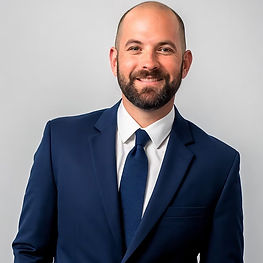
Austin Pederson, Executive Director of Chateau Health and Wellness
Brings over eight years of experience revolutionizing mental health and substance abuse treatment through compassionate care and innovative business strategies. Inspired by his own recovery journey, Austin has developed impactful programs tailored to individuals facing trauma and stress while fostering comprehensive support systems that prioritize holistic wellness. His empathetic leadership extends to educating and assisting families, ensuring lasting recovery for clients and their loved ones.

Ben Pearson, LCSW - Clinical Director
With 19 years of experience, Ben Pearson specializes in adolescent and family therapy, de-escalation, and high-risk interventions. As a former Clinical Director of an intensive outpatient program, he played a key role in clinical interventions and group therapy. With 15+ years in wilderness treatment and over a decade as a clinician, Ben has helped countless individuals and families navigate mental health and recovery challenges.


