
Career Burnout Symptoms and the Stress of Golden Handcuffs in Law Enforcement
Updated: Sep 25

You don’t wear the badge by accident. Most officers start with purpose and pride, yet years of pressure, trauma, and financial dependence quietly change the job. I understand how the benefits that once felt like security can slowly trap you, and why burnout feels unavoidable for so many, even when no one talks about it.
Why do so many police officers feel stuck even when the job is damaging their mental health?
High pay, strong benefits, pension timelines, and family obligations create financial dependence, while constant exposure to trauma and poor sleep steadily drain resilience and motivation until burnout sets in.
There is more to this story than stress alone. In the sections ahead, we break down the warning signs of burnout, how golden handcuffs form, and realistic ways officers can regain control of their health and future while protecting family stability and an identity built around the badge.
Table of Contents
What is Career Burnout?
The Golden Handcuffs: Why Officers Stay
Physical and Emotional Signs of Police Stress
The 5 Stages of Police Trauma Syndrome
The 4 Types of Police Stress
Police Officer Burnout Statistics
Occupational Stress and PTSD
The Impact on Personal Relationships
Breaking the Cycle of Cynicism
Recovery and Stress Management
Frequently Asked Questions
What is Career Burnout?
Career burnout is more than just a bad week at work. It is a state of physical, emotional, and mental exhaustion caused by excessive and prolonged stress. It occurs when you feel overwhelmed, emotionally drained, and unable to meet constant demands. In law enforcement, this is not just being tired after a long shift. It is a deep sense of being overextended and indifferent to the work.
The career burnout definition involves three main pillars:
Exhaustion: You feel drained of energy and physically spent.
Cynicism: You start to feel negative or detached from the people you serve.
Reduced Efficacy: You feel like you are no longer making a difference or performing well.
For officers, this often manifests as being exhausted, indifferent, and stressed. It turns a meaningful career into a daily grind. You begin to see the public not as people to help, but as problems to manage. This shift in perspective is a major indicator that the job is taking a toll on your soul.
The Golden Handcuffs: Why Officers Stay
The term "golden handcuffs" refers to financial incentives that keep an employee at a job they no longer enjoy. In the world of law enforcement, these handcuffs are very real. Police officers often have excellent retirement plans, comprehensive health insurance, and salaries that are higher than many other local jobs.
When an officer reaches the ten or fifteen year mark, the cost of leaving becomes incredibly high. You might have a mortgage, car payments, and children heading toward college. You may feel that you cannot find a job in the private sector that matches your current pay or provides a similar pension. This creates a cycle of resentment. You hate the daily routine and the departmental politics, but you fear the financial loss of quitting.
This specific type of occupational stress among police officers leads to a feeling of being trapped. This sense of entrapment accelerates career burnout symptoms because there is no perceived exit strategy. When you feel you have no choice but to stay in a toxic environment, your mental health declines rapidly.
Career Burnout Symptoms: Physical and Emotional
Burnout does not happen overnight. It shows up in small ways before it becomes a full blown crisis. Recognizing the signs and symptoms of police stress early can save a career or even a life.
Physical Symptoms
The body often reacts to stress before the mind is willing to admit there is a problem. Common job burnout physical symptoms include:
Sleep disruption: This includes sleeping too much or struggling to fall asleep.
Sleep disorders: Chronic insomnia or sleep apnea triggered by constant hyper-vigilance.
Fatigue: A deep, bone-weary tiredness that a single night of sleep cannot fix.
Loss of appetite: Or conversely, using food as a way to cope with stress.
Physical pain: Unexplained headaches, back pain, or digestive issues.
Emotional and Mental Symptoms
The mental toll of policing is often more damaging than the physical risks. These symptoms affect how you interact with your family and the public:
Apathy: You no longer care about the outcomes of calls or the welfare of others.
Cynicism: A "us versus them" mentality that targets both the public and your own command staff.
Low mood: Feeling somewhat helpless in the situation or experiencing job burnout depression.
Feeling withdrawn: Pulling away from friends, family, and hobbies you once loved.
Lack of patience: A general lack of patience with coworkers or citizens, leading to feelings of irritability.
The 5 Stages of Police Trauma Syndrome
Burnout in law enforcement often follows a predictable path. Understanding the 5 stages of police trauma syndrome helps you identify where you are in the process.
The Honeymoon Stage: The new officer is energetic and committed. They believe they can truly change the world and have high job satisfaction.
Fuel Shortage: The reality of the job begins to set in. Fatigue starts to show. The officer might start using more sick leave or feel the first hints of occupational stress.
Chronic Symptoms: Physical signs of job burnout appear. This might include high blood pressure, constant irritability, or a persistent sense of being overwhelmed.
Crisis Stage: The officer feels a sense of failure. Cynicism becomes a primary personality trait. They may feel they are just "doing time" until retirement.
Hitting the Wall: This is total exhaustion. The officer may experience a mental health crisis, severe physical illness, or a complete collapse of their personal life.
The 4 Types of Police Stress
Law enforcement is a unique profession because the stress comes from every direction. To manage career burnout, you must identify the source of the pressure.
External Stress: This comes from the public environment. It includes threats of violence, verbal abuse from citizens, and the constant feeling of being recorded or judged by the media.
Internal Stress: Often cited as the most frustrating, this comes from the department itself. It involves poor equipment, lack of support from leadership, excessive paperwork, and inconsistent policies.
Operational Stress: This is the nature of the work. It includes seeing trauma, working graveyard shifts, dealing with the death of children, and the constant threat of danger and job risk.
Individual Stress: This is personal. It involves the struggle to balance a home life with a police schedule, financial debt, or the personal pressure to get promoted.
Police Officer Burnout Statistics
The numbers regarding police stress are quite alarming. Research into police officer burnout statistics suggests that the profession faces a mental health crisis. Studies show that over 50% of officers report high levels of emotional exhaustion. Law enforcement professionals have significantly higher rates of heart disease, divorce, and substance abuse compared to the general population.
The risk of suicide in the profession is a major concern, often exceeding the number of officers killed in the line of duty. These statistics highlight that police burnout symptoms are a systemic issue that needs departmental attention, not just individual grit.
Occupational Stress and PTSD
There is often a very thin line between burnout and Post-Traumatic Stress Disorder (PTSD). While burnout is usually about the slow grind of the job, PTSD often stems from specific, high-trauma events. However, ptsd from police encounters can look very similar to career burnout symptoms.
The constant exposure to danger and job risk keeps the officer's nervous system in a state of "fight or flight." Over time, the brain loses its ability to turn off this alarm system. This leads to job burnout syndrome, where the officer is constantly on edge, even at the dinner table with their family.
Many officers feel a lack of interest in seeking help because they fear the stigma. They worry that admitting to a mental health struggle will lead to them being stripped of their badge and gun.
The Impact on Personal Relationships
Burnout does not stay at the police station. It follows you home. When an officer is experiencing career burnout symptoms, their family often feels it first. You might find yourself coming home and sitting in silence for hours, unable to engage with your spouse or children. This is a form of feeling withdrawn.
The cynicism developed on the street can bleed into your personal life. You may start to look at your neighbors or your children's friends with suspicion. The general irritability that comes from being exhausted and overextended leads to arguments over small things. Over time, the "golden handcuffs" feel even heavier because the home life that the salary is supposed to support is falling apart.
Breaking the Cycle of Cynicism
Cynicism is a defense mechanism. If you don't care about anything, nothing can hurt you. But cynicism is also a primary symptom of burnout in police officers. To break this cycle, you have to reconnect with the "why" of your career.
Ask yourself what brought you to the academy in the first place. If that spark is completely gone, it may be time to look at stress management for police officers or even a transition to a different role within the department. Breaking cynicism requires a conscious effort to find positive interactions. It means looking for the good in the community, even when the majority of your calls involve the bad.
Recovery and Stress Management
Recovering from career burnout requires more than just a long weekend. It requires a fundamental shift in how you view your job and your life.
Practical Steps for Recovery
Identify the Stressors: Use a stress management for police officers ppt or a similar guide to list your specific triggers.
Set Hard Boundaries: Do not take the job home. Have a ritual, like changing clothes or listening to specific music, that signals the end of your shift.
Prioritize Physical Health: Exercise is not just about staying fit for duty. It is about processing the cortisol and adrenaline that build up during a shift.
Seek Specialized Help: Look for therapists who have experience working with first responders. They understand the "golden handcuffs" and the specific culture of law enforcement.
Financial Planning: Sometimes, the "handcuffs" are not as strong as they seem. Talk to a financial advisor to see what a career transition would actually look like. Knowing you can leave often makes it easier to stay.
Understanding the 42% Rule
What is the 42% rule for burnout? Research suggests that to maintain long term health, you need to spend roughly 42% of your time (about 10 hours a day) resting, eating, and connecting with loved ones. For an officer on a 12-hour shift, this seems impossible. However, it serves as a reminder that your body needs significant downtime to recover from the occupational stress of the street.
Frequently Asked Questions
● How long does it take to recover from a burnout?
Recovery is a personal journey. For some, a few weeks of dedicated rest and habit changes can make a difference. For those with deep career burnout symptoms or ptsd from police encounters, it may take months or years of professional therapy and lifestyle adjustments.
● What are the four stages of job burnout?
The four stages are often described as:
Physical and mental exhaustion: You feel constantly tired.
Shame and doubt: You feel like you aren't doing enough.
Cynicism and callousness: You stop caring about others.
Failure or crisis: You hit a breaking point where you can no longer function.
● How to deal with career burnout?
First, acknowledge that it is happening. Talk to a trusted peer or a mental health professional. Focus on what you can control, such as your sleep hygiene and your physical activity. If the "golden handcuffs" are the main issue, look into your finances to see if you have more options than you think.
● What are the signs of job stress becoming burnout?
The transition happens when stress is no longer occasional but constant. Signs include fatigue, cynicism, lack of interest in seeking help, and feeling somewhat helpless in the situation. When you feel like your efforts no longer matter, you have moved from stress into burnout.
● Why is there a lack of interest in seeking help among officers?
The "tough guy" culture in law enforcement often views mental health struggles as a weakness. Officers fear that if they admit to symptoms of career burnout, they will be placed on restricted duty or lose the respect of their peers. Changing this culture is vital for the health of the profession. If you are feeling the weight of the badge and the trap of the paycheck, you do not have to carry it alone. Recognizing these career burnout symptoms is the first step toward a healthier life.
At Chateau Health and Wellness, we recognize that the weight of the badge doesn't just stay at the precinct; it lives in our homes and affects our deepest relationships. We understand the complex grip of the "golden handcuffs" and the silent toll of the Five Stages of Trauma, and we are committed to ensuring that no officer has to navigate the path to recovery in isolation. Our team is here to help you break the cycle of cynicism and reclaim the purpose that first led you to serve, providing a safe harbor where your mental health is the priority, not a liability. You have spent your career protecting our community, and now it is our turn to protect yours. If you are feeling the symptoms of burnout or the pressure of occupational stress, please reach out to us today at (801) 877-1272. Let’s begin the work of securing your future and restoring your well-being together.
 |  |  |

About The Author

Zachary Wise is a Recovery Specialist at Chateau Health and Wellness
Where he helps individuals navigate the challenges of mental health and addiction recovery. With firsthand experience overcoming trauma, depression, anxiety, and PTSD, Zach combines over 8 years of professional expertise with personal insight to support lasting healing.
Since 2017, Zach has played a pivotal role at Chateau, working in case management, staff training, and program development.

Danny Warner, CEO of Chateau Health and Wellness
Brings a wealth of experience in business operations, strategic alliances, and turnaround management, with prior leadership roles at Mediconnect Global, Klever Marketing, and WO Investing, Inc. A graduate of Brigham Young University in Economics and History, Danny has a proven track record of delivering results across diverse industries. His most transformative role, however, was as a trail walker and counselor for troubled teens at the Anasazi Foundation, where he directly impacted young lives, a personal commitment to transformation that now drives his leadership at Chateau.
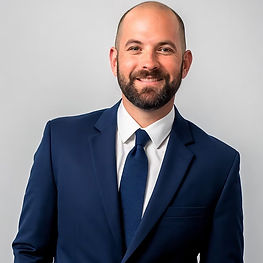
Austin Pederson, Executive Director of Chateau Health and Wellness
Brings over eight years of experience revolutionizing mental health and substance abuse treatment through compassionate care and innovative business strategies. Inspired by his own recovery journey, Austin has developed impactful programs tailored to individuals facing trauma and stress while fostering comprehensive support systems that prioritize holistic wellness. His empathetic leadership extends to educating and assisting families, ensuring lasting recovery for clients and their loved ones.

Ben Pearson, LCSW - Clinical Director
With 19 years of experience, Ben Pearson specializes in adolescent and family therapy, de-escalation, and high-risk interventions. As a former Clinical Director of an intensive outpatient program, he played a key role in clinical interventions and group therapy. With 15+ years in wilderness treatment and over a decade as a clinician, Ben has helped countless individuals and families navigate mental health and recovery challenge.


