
Is 911 Dispatcher PTSD Real? How to Identify and Recover in 2026
Updated: Sep 24

You have managed thousands of crises with a calm voice, yet the weight of those calls often stays with you long after you hang up. Identifying the specific signs of 911 dispatcher PTSD is the first step toward regaining control of your life and mental well-being. We have gathered the essential facts and recovery techniques used by professionals to help you navigate this unique psychological landscape with clarity and confidence.
What are the primary signs of PTSD in 911 dispatchers?
911 dispatcher PTSD often manifests as hypervigilance, emotional detachment, and intrusive memories of specific calls. Because you lack visual closure, your brain may create "perceptual distortions" that lead to chronic anxiety, irritability, and sleep disturbances. Recognizing these as biological responses to high-stress auditory trauma is the key to starting your recovery journey.
While identifying the problem is a massive hurdle, knowing how to process the trauma is what actually changes your daily life. We dive much deeper into ten proven strategies, including decompression rituals and specialized therapy, that are designed specifically for the "invisible first responder" to find lasting peace.
Table of Contents
Pro Tip: Recovery starts with acknowledging that your trauma is valid. Dispatchers often downplay their stress because they weren't "physically" there. In our experience, the brain processes auditory trauma with the same intensity as visual trauma.
Identifying the Symptoms of PTSD in Emergency Dispatchers
In order to address the problem, you must first name it. For many in emergency services, the term post traumatic stress disorder feels like something reserved for the battlefield. However, the symptoms are remarkably similar.
Secondary Trauma vs. Direct PTSD
Most dispatchers suffer from secondary traumatic stress. This happens when you are exposed to the pain of others. You might find yourself "re-playing" a specific caller's screams or feeling a sense of dread when the phone rings. If this sounds familiar, you should learn more about secondary traumatic stress and how it subtly erodes your mental health over time.
Physical and Behavioral Red Flags
The signs often show up in your body before your mind. Common indicators include:
Hypervigilance (constantly checking doors or being easily startled).
Chronic fatigue despite sleeping for hours.
Increased alcohol or substance use to "numb out" after a shift.
Unexplained anger or irritability with family members.
If you find yourself using substances to cope with the stress of the job, it is important to understand the connection between trauma and addiction so you can break the cycle early.
Why 911 Dispatchers Are at High Risk for Post Traumatic Stress Disorder
The nature of dispatch work creates a "perfect storm" for trauma. Unlike a patrol officer who sees a situation through to the end, a dispatcher is often cut off the moment help arrives.
The Impact of Perceptual Distortions
During a high-stakes call, your brain enters a state of high arousal. You might experience time slowing down or a narrowing of focus. Because you lack the visual context of the scene, your imagination fills in the gaps. Often, the imagined version of the event is more gruesome than the reality. This mental imagery contributes heavily to 911 dispatcher PTSD.
Lack of Closure After the Call Ends
One of the hardest parts of the job is the fact that you rarely know the outcome of a call. Did the CPR work? Did the victim survive? This lack of closure prevents the brain from "filing" the memory away as a completed event. Instead, the memory remains active and intrusive. For many, this leads to a state of compassion fatigue where they feel completely drained of empathy.
Factor | Impact on Dispatcher |
Auditory Trauma | High (Direct exposure to screams/violence) |
Visual Context | Low (Imagination fills in the blanks) |
Closure | Minimal (Rarely hear the final outcome) |
Stress Duration | Constant (Back-to-back calls) |
10 Proven Strategies to Overcome 911 Burnout and PTSD
Recovery requires a proactive approach. You cannot wait for the stress to disappear on its own.
Develop a Transition Ritual: Spend 15 minutes in your car before going inside your home. Listen to music or sit in silence. This creates a boundary between "Dispatcher You" and "Family You."
Prioritize Sleep Hygiene: Trauma thrives on exhaustion. Use blackout curtains and white noise machines to ensure deep REM sleep.
Limit "Dark" Media: If you spend 8 hours listening to crime, don't go home and watch true crime documentaries. Give your brain a break from tragedy.
Physical Movement: Exercise helps process excess cortisol. Even a 20-minute walk can signal to your nervous system that the "danger" is over.
Practice Grounding Techniques: Use the 5-4-3-2-1 method during a shift to stay present in your body rather than getting lost in the caller's trauma.
Seek Peer Support: Talk to colleagues who understand the specific nuances of the headset. Peer support groups are vital for reducing isolation.
Nutritional Support: High-stress environments deplete magnesium and B-vitamins. Focus on whole foods to help your nervous system recover.
Hydration: Dehydration mimics anxiety symptoms like heart palpitations. Keep a water bottle at your desk.
Professional Counseling: Find a therapist who specializes in first responder trauma. You may want to look into trauma-informed care to ensure your therapist understands your specific background.
Set Digital Boundaries: Turn off news notifications on your phone. You already deal with enough "breaking news" at work.
Seeking Professional Help: Specialized Treatment for First Responders
Sometimes, self-care isn't enough. If you find that 911 dispatcher PTSD is affecting your ability to function or your desire to live, it is time for professional intervention. Treatment for first responders is different from general therapy. It focuses on nervous system regulation and processing the backlog of traumatic calls.
Specialized programs like residential trauma treatment provide a safe space where you don't have to explain the "why" of your job. Professionals understand the culture, the dark humor, and the specific weight of the calls you take. Whether it is through Eye Movement Desensitization and Reprocessing (EMDR) or group intensives, getting help is a sign of resilience, not weakness.
Frequently Asked Questions
• Can 911 dispatchers get workers' comp for PTSD?
In many states, laws are changing to include dispatchers as first responders, making them eligible for mental health related workers' compensation. Check your local state legislation for the most recent updates.
• How is dispatcher PTSD different from other first responders?
Dispatchers experience "auditory" trauma and a lack of closure. The inability to physically help the victim can lead to intense feelings of helplessness, which is a core component of PTSD.
• What is the best therapy for 911 dispatcher PTSD?
EMDR is highly effective for processing traumatic memories. Cognitive Behavioral Therapy (CBT) is also useful for managing the intrusive thoughts and anxiety that follow high-stress shifts.
• How long does it take to recover from dispatcher PTSD?
Recovery is not a linear process and varies for everyone. While some find relief through short-term grounding techniques, others require several months of specialized therapy like EMDR to process years of accumulated calls. Consistency in self-care and professional support are the most significant factors in the timeline.
• Can I continue working as a dispatcher while in treatment?
Many dispatchers remain on the job while attending outpatient therapy or peer support groups. However, if your symptoms lead to significant errors or severe mental health crises, taking a leave of absence for intensive residential treatment may be necessary to ensure your long-term health and career longevity.
At Chateau Health and Wellness Treatment Center, we understand that carrying the weight of the headset is an immense burden, and we believe no one should have to bear that pressure alone. We recognize the profound impact that 911 dispatcher PTSD has on our first responder community, and our team is dedicated to providing the specialized care and understanding required to navigate this journey toward healing. We are in this together, and our mission is to ensure that our heroes have access to the resources and support they deserve. If you or a loved one are struggling with the psychological toll of emergency dispatch, please reach out to us today at (801) 877-1272. We are ready to help you reclaim your peace and well-being, because at our center, your recovery is our priority.
 |  |  |

About The Author

Zachary Wise is a Recovery Specialist at Chateau Health and Wellness
Where he helps individuals navigate the challenges of mental health and addiction recovery. With firsthand experience overcoming trauma, depression, anxiety, and PTSD, Zach combines over 8 years of professional expertise with personal insight to support lasting healing.
Since 2017, Zach has played a pivotal role at Chateau, working in case management, staff training, and program development.

Danny Warner, CEO of Chateau Health and Wellness
Brings a wealth of experience in business operations, strategic alliances, and turnaround management, with prior leadership roles at Mediconnect Global, Klever Marketing, and WO Investing, Inc. A graduate of Brigham Young University in Economics and History, Danny has a proven track record of delivering results across diverse industries. His most transformative role, however, was as a trail walker and counselor for troubled teens at the Anasazi Foundation, where he directly impacted young lives, a personal commitment to transformation that now drives his leadership at Chateau.
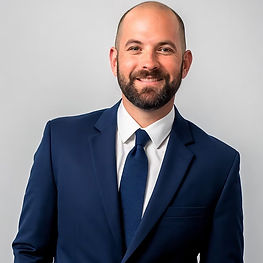
Austin Pederson, Executive Director of Chateau Health and Wellness
Brings over eight years of experience revolutionizing mental health and substance abuse treatment through compassionate care and innovative business strategies. Inspired by his own recovery journey, Austin has developed impactful programs tailored to individuals facing trauma and stress while fostering comprehensive support systems that prioritize holistic wellness. His empathetic leadership extends to educating and assisting families, ensuring lasting recovery for clients and their loved ones.

Ben Pearson, LCSW - Clinical Director
With 19 years of experience, Ben Pearson specializes in adolescent and family therapy, de-escalation, and high-risk interventions. As a former Clinical Director of an intensive outpatient program, he played a key role in clinical interventions and group therapy. With 15+ years in wilderness treatment and over a decade as a clinician, Ben has helped countless individuals and families navigate mental health and recovery challenges.


