
Stop Fighting Fatigue: Critical Sleep Hygiene Tips for Firefighters

You're dealing with burnout and constant fatigue due to those grueling shifts. We understand the unique sleep challenges that come with being a firefighter, from unpredictable alarms to station noise. We have the proven strategies and specific sleep hygiene tips that will help you finally get the restorative sleep your body needs to perform safely and effectively.
What is the single most critical factor in improving a firefighter's rest quality?
Establishing control over your sleep environment, both at home and the station, is the most critical factor. By making the space dark, quiet, and cool, you create the optimal setting for your body's natural sleep processes to engage, directly combating the sleep disruption caused by irregular firefighter shift schedules.
We have compiled a complete, actionable plan that dives deep into advanced techniques like strategic napping, light management, and nutrition control. Keep reading to unlock the full spectrum of sleep hygiene tips designed to overcome chronic fatigue and enhance your vital Firefighter Sleep Recovery.
Table of Contents
The Critical Need for Firefighter Sleep Recovery
The Dangers of First Responder Sleep Deprivation
Sleep Apnea in Firefighters: A Hidden Threat
Mastering the Sleep Environment: Station and Home
Create a Dark, Quiet, and Cool Sleep Environment
Remove Distractions
Consider the Station Environment
Optimizing Your Sleep Schedule and Routine
Establish a Consistent Sleep Schedule
Develop a Relaxing Pre-Sleep Routine
Use Your Bed for Sleep Only
If You Can't Sleep, Get Up
Strategic Napping and Light Management
Nap Strategically: Naps Count!
Expose Yourself to Sunlight
Avoid Bright Overhead Lights Between 10 PM and 4 AM
Nutrition, Exercise, and Stimulant Control
Limit Stimulants and Large Meals
Exercise Wisely
Firefighter Meal Plan Insights
Advanced Sleep Hygiene Strategies
Sleep Hygiene Tips and Techniques
Tips for Improving Sleep Quality
Frequently Asked Questions
Don't Just Fight Fires, Fight Fatigue: Take Action
The Critical Need for Firefighter Sleep Recovery
Firefighters work on irregular schedules. This often leads to chronic sleep debt. This debt is the difference between the sleep your body needs and the sleep it actually gets. When this debt grows, performance drops. Firefighter Sleep Recovery is crucial for safety.
The Dangers of First Responder Sleep Deprivation
Lack of sleep reduces cognitive function. It slows reaction time, which is dangerous in an emergency. It affects emotional regulation. Tired first responder personnel are more prone to errors and accidents. Research from a deprivation study clearly shows the link. It is not about being tough; it is about being safe. Prioritizing rest is part of your duty.
Sleep Apnea in Firefighters: A Hidden Threat
Sleep apnea in firefighters is a serious concern. It is a disorder where breathing repeatedly stops and starts during sleep. This interrupts deep sleep. Even if you are in bed for eight hours, you are not truly resting. Untreated apnea causes daytime sleepiness, hypertension, and heart issues. If you snore loudly or wake up gasping, talk to a doctor. Screening and treatment for apnea in this high-risk group can save lives.
Mastering the Sleep Environment: Station and Home
Your sleep location matters. A poor environment is a major cause of sleep disruption. You must control your surroundings to get restful sleep. This applies both at home and when you are sleeping at the station.
Create a Dark, Quiet, and Cool Sleep Environment
The ideal sleep setting is dark, quiet, and cool.
Dark: Darkness signals the body to produce melatonin, the sleep hormone. Use blackout curtains at home. On duty, eye masks can block out light.
Quiet: Noise fragments sleep. Use earplugs to block out station noise or street sounds.
Cool: Most people sleep best in a room between 60°F and
67°F (15.6°C and 19.4°C ). A cooler room helps initiate sleep. This is one of the best sleep hygiene tips you can implement.
Remove Distractions
Your sleeping area should be only for rest.
Remove electronic devices like phones and tablets from the bedroom. They emit blue light that suppresses melatonin.
Use your bed for sleep only. Avoid working, watching TV, or scrolling on your phone in bed. This strengthens the mental link between your bed and sleep.
Limit distractions that keep you awake.
Consider the Station Environment
Sleeping firefighter personnel face unique challenges. The station is a workplace, not a dedicated sleep sanctuary.
Maximize privacy: If possible, choose a bunk that is away from high-traffic areas.
Minimize light/noise: Even on standby, the station often has light and sound. Use the dark, quiet, and cool principles as much as you can.
Allow appropriate naps on duty. Strategic rest is vital for readiness.
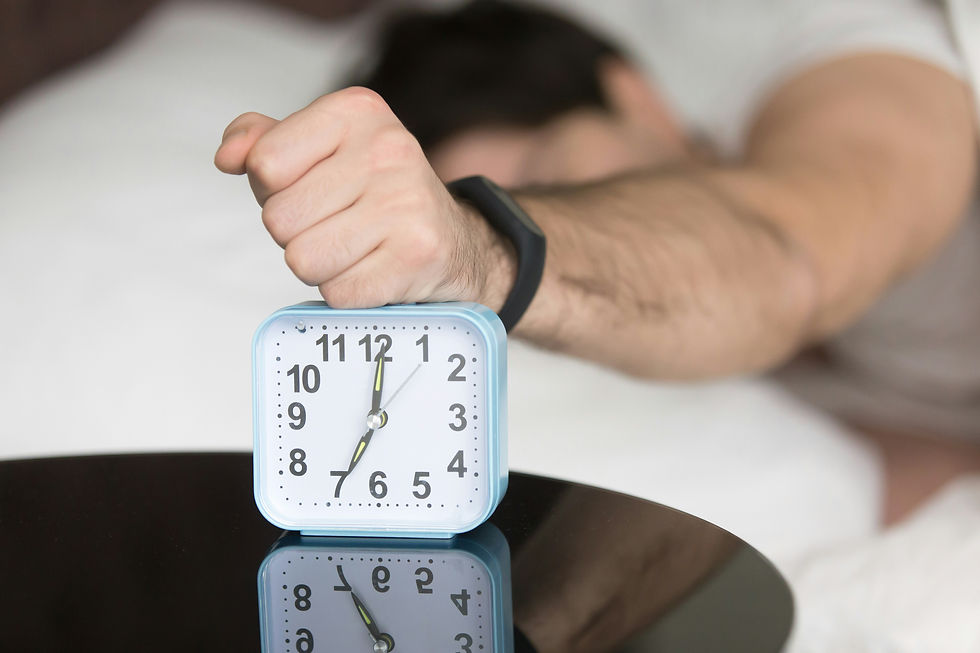
Optimizing Your Sleep Schedule and Routine
A consistent routine helps regulate your body’s natural clock, the circadian rhythm. This rhythm dictates when you feel sleepy and when you feel awake.
Establish a Consistent Sleep Schedule
Try to set a regular sleep schedule. This is tough with variable shifts. Even so, try to keep your wake-up time consistent, even on days off. This helps anchor your circadian rhythm. Going to bed and waking up at similar times, even when adjusted for shifts, is key to good sleep hygiene.
Develop a Relaxing Pre-Sleep Routine
Your body needs time to switch from alert to rest mode.
Create a relaxing bedtime routine. This might be reading a book or listening to quiet music.
Do not look at fire department emails or challenging work right before bed.
Try to relax your body and mind before trying to sleep. This ritual signals to your brain that it is time to slow down.
Use Your Bed for Sleep Only
This simple rule creates a powerful association. If you keep your bed for sleep, your brain quickly learns that the bed means rest. If you lie awake doing other things, this association weakens.
If You Can't Sleep, Get Up
If you lie in bed awake for more than 20 minutes, get up. Go to another room and do a quiet, non-stimulating activity. Do not look at a screen. Read a dull book. Only return to bed when you feel sleepy again. Lying awake in bed creates anxiety, which makes falling asleep even harder.
Strategic Napping and Light Management
Light is the most powerful cue for the circadian rhythm. Strategic napping can restore alertness without ruining nighttime sleep.
Nap Strategically: Naps Count!
Napping can fight fatigue during long shifts.
Naps count! stick to 20-30 minutes or 90 minutes. A short 20-30 minute nap, a 'power nap,' offers a quick boost. A 90-minute nap allows for a full sleep cycle, which prevents sleep inertia (that groggy feeling). Avoid naps between 30 and 90 minutes.
Limit naps to avoid interfering with night sleep.
Allow appropriate naps on duty to stay sharp.
Expose Yourself to Sunlight
Light in the morning helps set your body clock.
Get exposure to natural light soon after waking up.
Go outside or sit by a window for 15 minutes.
This helps your body stop producing melatonin and kickstarts your energy.
Avoid Bright Overhead Lights Between 10 PM and 4 AM
Blue light from electronics and bright, white lights suppress melatonin.
Limit bright overhead lights late at night.
Use dim, warm-colored lights if you must be awake.
This small change can make a big difference in the time it takes you to fall asleep.
Nutrition, Exercise, and Stimulant Control
What you eat and when you move your body directly impact sleep quality.
Limit Stimulants and Large Meals
What you consume matters for sleep.
Limit caffeine and alcohol. What time to stop drinking caffeine? A good rule is to stop all caffeine six to eight hours before bedtime. This is often no caffeine after 2 PM for a typical sleeper.
Cut alcohol 3 hours before bed. Alcohol may make you drowsy, but it ruins the quality of your deep sleep later in the night.
Avoid large meals and heavy snacks close to bedtime. Digestion can keep you awake. Eating a heavy meal is one of the sleep disruptors you must avoid.
Exercise Wisely
Regular physical activity improves sleep.
Get regular exercise. Physical activity helps reduce stress and promotes deeper sleep.
Time your workouts. Vigorous exercise too close to bedtime can be stimulating. Try to finish intense workouts at least three hours before you plan to sleep. Early to mid-day workouts are best. This is crucial for how to stay healthy as a firefighter.
Firefighter Meal Plan Insights
While this is not a full Firefighter meal plan pdf, general nutrition plays a role. Focus on a balanced diet of lean protein, whole grains, and fresh produce. Heavy, fried foods or sugary snacks close to bedtime will disrupt sleep. Light, tryptophan-rich snacks, like a small banana or a handful of nuts, may be helpful.
Advanced Sleep Hygiene Strategies
Good sleep hygiene strategies go beyond basic tips. They involve a holistic approach to your health.
Sleep Hygiene Tips and Techniques
Implementing small but consistent methods makes a difference.
Practice mindfulness: Stress from firefighting calls can keep your mind racing. Simple breathing exercises or a quick body scan can help the mind settle.
A good sleep hygiene technique is progressive muscle relaxation. Tense and then relax muscle groups from your toes to your head. This releases physical tension.
Tips for Improving Sleep Quality
Focus on quality, not just quantity.
Avoid sleep disruptors like screens, bright lights, and loud noises.
Use aromatherapy: Scents like lavender can be calming.
Address stress: Find healthy outlets for the high-stress nature of the job. This helps with how do firefighters stay awake and ready.
Don't Just Fight Fires, Fight Fatigue: Take Action
Your job as a firefighter demands peak performance. You cannot afford to be running on fumes. Implementing these sleep hygiene tips is not a luxury; it is a critical part of your safety protocol. A well-rested firefighter is a sharp, effective, and safer firefighter.
Start today: Pick one environmental change, like using an eye mask, and one routine change, like stopping caffeine after 2 PM. Master those, then add another. Prioritize your rest.
Would you like a simplified checklist of the 10 best sleep hygiene tips to print out for your station bunk or bedroom?
Frequently Asked Questions
• How many hours do firefighters work?
Firefighter shifts vary greatly, often involving 24-hour shifts followed by 24 or 48 hours off. The total how many hours do firefighters work in a week can average 40 to 56 hours, but the key challenge is the irregular and often interrupted nature of rest periods.
• Do firefighters sleep at the station?
Yes, do firemen sleep at the station? They do. Firefighters are required to sleep at the station when on their long shifts. They are on call, ready to respond instantly to any alarm, which is why optimizing the bunk area is so important.
• What are the best sleep hygiene tips for shift workers?
The best sleep hygiene tips for shift workers, like firefighters, focus on consistency when possible, controlling the sleep environment (darkness, quiet), strategic napping (20-30 minutes), and strict avoidance of caffeine and alcohol close to the end of a shift.
• How do firefighters stay awake on long shifts?
Firefighters rely on short, strategic naps, proper nutrition, hydration, and movement to stay alert. They also use the light-dark cycle, seeking bright light when they need to be awake and dim light when preparing for rest, to manage their alertness.
• What is the connection between sleep and Firefighter Sleep Recovery?
Sleep is the body's primary tool for physical and mental restoration. Effective Firefighter Sleep Recovery requires deep, uninterrupted sleep to repair tissues, consolidate memory, and regulate emotions, which is vital given the physical and psychological demands of the job.
When the fatigue and burnout from those grueling shifts become overwhelming, remember that we are here to help you achieve the vital Firefighter Sleep Recovery and holistic mental wellness you deserve. At Chateau Health and Wellness Treatment Center, we understand the unique challenges faced by first responders, and our specialized programs are designed to address not just the symptoms like chronic sleep debt, but the underlying stress and trauma. We encourage you to take back control of your health and let us support your journey toward lasting restoration. If you or a loved one is struggling with chronic fatigue, sleep issues, or related mental health concerns, call us today at (801) 877-1272 so we can begin to map out your path to recovery together.
 |  |  |

About The Author

Zachary Wise is a Recovery Specialist at Chateau Health and Wellness
Where he helps individuals navigate the challenges of mental health and addiction recovery. With firsthand experience overcoming trauma, depression, anxiety, and PTSD, Zach combines over 8 years of professional expertise with personal insight to support lasting healing.
Since 2017, Zach has played a pivotal role at Chateau, working in case management, staff training, and program development.

Danny Warner, CEO of Chateau Health and Wellness
Brings a wealth of experience in business operations, strategic alliances, and turnaround management, with prior leadership roles at Mediconnect Global, Klever Marketing, and WO Investing, Inc. A graduate of Brigham Young University in Economics and History, Danny has a proven track record of delivering results across diverse industries. His most transformative role, however, was as a trail walker and counselor for troubled teens at the Anasazi Foundation, where he directly impacted young lives, a personal commitment to transformation that now drives his leadership at Chateau.
Austin Pederson, Executive Director of Chateau Health and Wellness
Brings over eight years of experience revolutionizing mental health and substance abuse treatment through compassionate care and innovative business strategies. Inspired by his own recovery journey, Austin has developed impactful programs tailored to individuals facing trauma and stress while fostering comprehensive support systems that prioritize holistic wellness. His empathetic leadership extends to educating and assisting families, ensuring lasting recovery for clients and their loved ones.

Ben Pearson, LCSW - Clinical Director
With 19 years of experience, Ben Pearson specializes in adolescent and family therapy, de-escalation, and high-risk interventions. As a former Clinical Director of an intensive outpatient program, he played a key role in clinical interventions and group therapy. With 15+ years in wilderness treatment and over a decade as a clinician, Ben has helped countless individuals and families navigate mental health and recovery challenge.

