
Can You Develop PTSD From a Past Relationship?
- Jun 16, 2021
- 7 min read
Updated: Aug 13, 2025

Dealing with the aftermath of a traumatic relationship can be an overwhelming experience. You might be struggling with a range of difficult emotions and behaviors, but it's important to know that what you're feeling is valid and there's a path forward. Understanding how these past experiences can affect your present is the first step toward healing and reclaiming your life.
Can you develop PTSD from a past relationship?
Yes, it is absolutely possible to develop Post-Traumatic Stress Disorder (PTSD) from a past relationship. This can stem from various forms of trauma, including physical, mental, or emotional abuse, and can significantly impact your life long after the relationship has ended.
There's much more to understand about the complex connection between relationships and PTSD. Keep reading to learn about the specific signs and symptoms, and discover effective strategies for healing and building healthier future relationships.
Can a Traumatic Relationship Cause PTSD?
Post-traumatic stress disorder, or PTSD, is a complex mental health disorder that stems from experiencing particularly harrowing events that result in mental, physical, or emotional harm. These traumatic events can take several forms, from natural disasters and car accidents to horrible experiences in a romantic relationship.
You can develop PTSD from a past relationship, and it isn’t limited to just romantic partners either, as relationship PTSD can develop due to friendships gone awry or familial bonds being challenged. PTSD from relationships can affect every other facet of a person’s life and bring overwhelming difficulties that need to be addressed holistically to take the first steps towards healing.
Can You Develop PTSD From a Past Relationship?
Relationship PTSD is not only possible, but it can be more prevalent than many may realize. Trauma can be physical, mental, or emotional in nature — or even a combination of these — so there are many ways for traumatic events to manifest.
Can You Develop PTSD from Physical Trauma in Relationships?
Experiencing physical trauma during a relationship can be the result of an outright physically abusive partner. While physical abuse is often coupled with verbal or other emotional abuse, one’s physical trauma can cause even further difficulties and fear regarding relationships — this can affect relationships they are currently in and potential future relationships.
Physical abuse leading to PTSD can also result from unwanted sexual advances, acts, or expectations placed upon a person, as being in a relationship does not give any kind of implied sexual consent, and sexual abuse and trauma can result in relationship PTSD.
Mental Trauma in Relationships
PTSD and relationships can also be closely tied through mental abuse, commonly in the forms of verbal belittlement or gaslighting. Controlling partners can even try to change the way a person thinks in one’s relationship, fundamentally changing one’s worldview and stripping a person of their identity by dictating the way that an individual “should” think.
The removal of agency and forced sense of subservience is an incredibly traumatic experience, resulting in pervasive feelings of worthlessness or helplessness that can continue to affect a person’s life both inside and outside of a romantic relationship.
Emotional Trauma in Relationships

Emotional abuse is also common throughout relationships and can result in relationship PTSD. Verbal belittlement or teasing can often result in this kind of trauma, especially if done in a way that seems to be genuine criticisms of an individual.
Partners throwing guilt or shame on another can quickly develop into this kind of trauma as individuals begin to blame themselves for everything that happens in the relationship, with their self-confidence and sense of self-worth plummeting as a result. Infantilization, intimidation, liberal use of ultimatums, screaming, neglecting one’s needs or wants in a relationship, and even being physically, emotionally, or intellectually unavailable can all result in these feelings.
Cheating partners can also commonly result in traumatic experiences as an individual is left feeling unwanted, isolated, and betrayed in their trust. Being cheated on can fundamentally change the way a person approaches trust in all other facets of one’s life. Lastly, the deterioration of relationships, such as a sudden breakup or the death of a partner, can also produce a kind of relationship trauma that stems from these similar feelings of isolation, loneliness, and emotional solitude.
Signs of PTSD From a Relationship
PTSD triggers in relationships can result in any number of inherent, immediate responses. Those suffering from a traumatic relationship can have any number of symptoms as a result. While not every person will experience trauma in the same way, some possible signs of trauma from a relationship are:
Isolationist tendencies
Difficulty sleeping
Nightmares
Flashbacks
Difficulty focusing
Detachment
Paranoia
Self-doubt
Pervasive act or words of self-criticism
Exaggerated self-blame
Self-destructive behavior
Inability to engage in personal interests
Difficulty communicating
Unwillingness to open up
Extreme emotional reactions
Constantly canceling social plans/responsibilities
Each of these symptoms can have debilitating effects on its own. Those suffering from the trauma of a past or current relationship may need professional help to cope with the various ways that these things can affect their life as a whole. Noticing these symptoms and contacting a professional is the first step towards healing from these serious and traumatic experiences.
How PTSD Can Affect Future Relationships
Experiencing a traumatic relationship can frame how an individual views all other relationships in their lives and any potential future romantic endeavors. While some individuals may work hard to accept the idea of going on a date again, they may still find it incredibly difficult to discuss personal feelings, share their opinions, confide in new partners, or trust in many regards.
Paranoia and fear of recurring traumas can dictate a relationship and ultimately lead to deterioration. Others may have no difficulty jumping back into a relationship but will end their relationships quickly to avoid ever having to get truly close to another person again. This causes them to move between romantic relationships frequently.
Sometimes, otherwise altruistic notions from one’s partner can be interpreted as triggers or stressors depending on your past traumatic experiences, causing you to rework genuine care and interpret it as something more malicious. This can make it incredibly difficult to further develop relationships and separate one’s new partner from your past experiences, stunting the development of the relationship until your traumatic experiences are addressed.
Ways to Improve and Heal
Healing can be a long and complicated journey and depends on each individual’s unique experiences. However, beginning with individual or group counseling can be the best bridge to establishing a safe space to discuss the residual wounds from a traumatic relationship.
This is paramount for those coping with the lingering effects of PTSD from a relationship, as it can help you learn how to employ grounding strategies and personalized techniques for many of the symptoms that may still be pervasive throughout one’s day, such as anxiety, depression, or inconsistent sleep.
Medication-assisted therapy, or MAT, may also be appropriate to help alleviate some of the symptoms of PTSD, depending on the person. While medication is not a replacement for ongoing therapies, it can help address the symptoms of PTSD so an individual can focus more of their energy on learning and employing successful coping strategies.
What Are Effective Ways to Heal From a Traumatic Relationship?
Learning to practice self-affirmation is also crucial for reestablishing one’s own sense of agency and identity outside of a relationship. Finding hobbies and people with which to share interests without romantic expectation can help an individual begin to reestablish their identity beyond a traumatic relationship.
Attending art classes, finally writing that book, or getting into your favorite sport as a part of a club or league can all be ways to refocus one’s energies on your own development. Letting go of self-blame is one of the most challenging — as well as most profound — parts of the healing process, especially since victims of abuse are commonly told that such abusive actions were either partly or wholly their own fault.
Reframing this mentality is crucial for healing to take place, and working with professionals to directly address the idea of self-blame and guilt is paramount to tackle these topics in a safe, supportive, and productive environment.
Frequently Asked Questions:
• What kinds of trauma in a relationship can lead to PTSD?
Trauma can be physical, mental, or emotional. This includes physical abuse, sexual abuse, mental belittlement, gaslighting, emotional abuse, cheating, or even a sudden breakup or the death of a partner.
• What are some common signs of relationship PTSD?
Common signs include anxiety, depression, difficulty sleeping, flashbacks, nightmares, self-doubt, self-blame, and an inability to engage in personal interests or communicate effectively.
• How can relationship PTSD affect my future relationships?
It can make it difficult to trust new partners, share personal feelings, or get truly close to someone. You may also misinterpret genuine care from a new partner as a trigger or a threat.
• What are some ways to begin healing from relationship PTSD?
Beginning with individual or group counseling is often recommended. Other helpful strategies include medication-assisted therapy (MAT), practicing self-affirmation, and letting go of self-blame.
• Can self-blame be a part of relationship PTSD?
Yes. Victims of abuse are often made to feel that the abuse was their fault. Reframing this mentality and letting go of self-blame is a crucial, though challenging, part of the healing process.
When the weight of past trauma from a relationship feels overwhelming, know that you don't have to carry it alone. At Chateau Health and Wellness Treatment Center, we understand the deep impact these experiences can have on your life. Our team is dedicated to providing a safe, supportive environment where we work together to help you heal and reclaim your sense of self. We offer comprehensive, personalized care designed to address your unique needs, guiding you toward a future free from the pain of your past. Please, reach out to us at (435) 222-5225 to take the first step on your journey to recovery. We are here to help.
 |  |  |

About The Author

Ben Pearson, LCSW - Clinical Director
With 19 years of experience, Ben Pearson specializes in adolescent and family therapy, de-escalation, and high-risk interventions. As a former Clinical Director of an intensive outpatient program, he played a key role in clinical interventions and group therapy. With 15+ years in wilderness treatment and over a decade as a clinician, Ben has helped countless individuals and families navigate mental health and recovery challenges.

Danny Warner, CEO of Chateau Health and Wellness
Brings a wealth of experience in business operations, strategic alliances, and turnaround management, with prior leadership roles at Mediconnect Global, Klever Marketing, and WO Investing, Inc. A graduate of Brigham Young University in Economics and History, Danny has a proven track record of delivering results across diverse industries. His most transformative role, however, was as a trail walker and counselor for troubled teens at the Anasazi Foundation, where he directly impacted young lives, a personal commitment to transformation that now drives his leadership at Chateau.
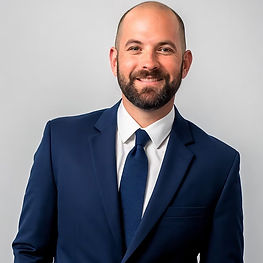
Austin Pederson, Executive Director of Chateau Health and Wellness
Brings over eight years of experience revolutionizing mental health and substance abuse treatment through compassionate care and innovative business strategies. Inspired by his own recovery journey, Austin has developed impactful programs tailored to individuals facing trauma and stress while fostering comprehensive support systems that prioritize holistic wellness. His empathetic leadership extends to educating and assisting families, ensuring lasting recovery for clients and their loved ones.

