
The Guide to Utah Inpatient Rehab and Treatment Centers
- Jan 26, 2018
- 13 min read
Updated: Nov 23, 2025

You don't have to navigate the complex journey of overcoming addiction alone. Based on a careful, honest study of all available options, we know the definitive solution for achieving meaningful, long-term sobriety. This comprehensive guide delivers the factual information and proven strategies you need right now to secure a positive and lasting recovery solution in Utah.
What is the most effective and logical solution for achieving lasting addiction recovery in Utah?
The most logical and best option for lasting recovery in Utah is an inpatient rehab program at a Residential Treatment Center. This setting provides comprehensive, focused care that addresses both the necessary physical dependence elimination and the complex behavioral and social issues of a substance use disorder.
Ready to move past quick fixes and do-it-yourself attempts? Continue reading, and we'll walk you through the essential steps, from detoxification to finding the perfect treatment program, including how to handle the costs and utilize available support.
Table of Contents
The First Step is Drug and Alcohol Detoxification
The Process of Detoxification
Side Effects of Detox and Drug Withdrawal
Utah Alcohol and Drugs Rehabilitation Centers: Inpatient and Residential Treatment
What is an Inpatient Rehab Program?
Getting Ready for Your Inpatient Rehab Program and Preparing For The Center
Family Support and Contact in Inpatient Rehab Center
Daily Life at a Rehab Center During Inpatient Treatment
How to Choose an Inpatient Treatment Center
What types of addiction does the Center treat?
Do they offer or include detox in their treatment programs?
What types of therapies are offered?
What credentials and licensing does the facility and staff have?
What about the costs and payment options? How does inpatient rehab work with insurance?
Inpatient Rehabilitation Services and Program Length
How long does inpatient rehab last?
What are inpatient rehabilitation services for addiction?
Understanding the Cost: How Much Does Inpatient Rehab Cost?
How to Find a Utah Inpatient Rehab Facility that Accepts Insurance
Your Next Step
Frequently Asked Questions
The First Step is Drug and Alcohol Detoxification
The very first step in an addiction recovery program, regardless of which program you choose, is detoxification. You need to immediately eliminate the physical dependence on your addictive substance. An Inpatient Treatment Center almost always offers a detox program as part of their service menu.
It is so much easier to detox at the same place you are receiving your rehabilitation and treatment. This way, the detox will be part of your overall recovery program and can be done alongside your regular work there.
An Inpatient Treatment Center will have professionals on staff 24/7 to monitor your detox progress and help you deal with the withdrawal. However, if your addiction is serious and the detox is dangerous, then treatment in a medical facility with health care professionals might be required.
Your Inpatient staff can help you assess your needs and make that important decision. Serious addictions, like alcohol detox or severe opioid withdrawal, often require expert medical supervision to manage potentially life-threatening side effects.
The Process of Detoxification
The detox needs of each individual will be different. It depends on the addiction, the degree or intensity of addiction, and the type of substance of the addiction. The Detox Process at an Inpatient rehabilitation and treatment center in Utah will look like this:
Evaluation: A skilled and professional team will evaluate each incoming patient for physical issues. They determine the level of expertise and medical treatment medication assisted treatment (MAT) that might be needed. Often the treatment center can bring in outside medical assistance. The detox can still be handled in-house.
As part of the evaluation, there will also be a complete and comprehensive study of histories. This includes substance abuse, medical, and psychiatric information. All of this data will be used in setting up the patient's long-term treatment program. This comprehensive look helps ensure effective addiction treatment.
Stability: The patient must then be immediately stabilized medically and psychologically. This ensures they may safely and comfortably proceed with their Inpatient treatment plan and program.
Entry into Treatment: The last detox step is entering into the treatment program. The patient is informed about their program and the next steps and what to expect. A nice smooth and easy transition from a detox situation into normal physical healing and a regimented treatment process is desired.
Side Effects of Detox and Drug Withdrawal
Detox can be dangerous and painful depending on the circumstances of the addiction. The withdrawal symptoms can be quite uncomfortable. Medical detox is crucial in serious drug addiction cases. It is important for those patients to complete their detox in a safe and comfortable environment with medical supervision. A degree of normality is reached before they transfer to an Inpatient Centre for the rest of their treatment program. The most common withdrawal side effects include:
Nervousness
Anxiety
Insomnia
Mood swings
Nausea
Tremors or Shaking
Vomiting
Body aches
Managing these side effects is a critical part of the initial phase. This level of support ensures the patient’s safety and prepares them for the next phases of their recovery journey.
Utah Alcohol and Drugs Rehabilitation Centers: Inpatient and Residential Treatment
An Inpatient recovery and treatment center offers the greatest level of care. This includes a medically supervised detox program and highly sophisticated and extremely effective rehabilitation services. These services are rendered 24/7 by a highly trained, professional, and caring staff. Care in an Inpatient Rehabilitation Center is sometimes called hospital-level acute care. This refined level of care is not available in other options.
There are a lot of options available. The treatment programs vary between Centers. Your best options depend on the experience of the staff, the different types of therapies offered, the comfort, cleanliness, and features and characteristics of the facility. You need to find the exact one that suits your requirements and needs.
What is an Inpatient Rehab Program?
The specialized Inpatient rehab programs are sometimes referred to as Residential Treatment Centers. Residents in various treatment programs live full time in the Centers. The program lengths are usually 30 days.
However, sometimes they are longer, depending on the condition and status of the patient. Some patients might have been through a treatment program at the Center but had a relapse and are going through an extended program. More serious cases may take 60 to 90 days or even longer. How long does drug rehab last is highly individualized.
An Inpatient Residential Rehab Center provides its own unique style of accommodations. Some are pretty simple with shared rooms and cafeteria-style meals. The focus is on the treatment and not the comfort and luxury of the housing. They usually offer light recreational activities like billiards/pool and ping-pong.
You may find some Luxury or Executive Centers around that offer hotel or resort style luxury rooms. They may provide gourmet meals and a long list of amenities. This includes a swimming pool, spa, and a workout room. The quality of inpatient facilities in Utah can vary widely.
Getting Ready for Your Inpatient Rehab Program and Preparing For The Center
Many patients show up at the Rehab Treatment Center totally unprepared. They have no idea of what to expect, what they will need to bring, and leave personal arrangements undone. It is really important to carefully prepare for rehab.
Make sure that you know what you need to do in advance. You will need to have an agreed upon entry date established beforehand. Then you can take care of the details before you arrive.
Here are a few things to take care of before entering rehab:
Employment: Be sure to talk with your employer. Fill them in on the details of your treatment and how long you will be gone.
Family Care: Make sure that your family will be taken care of during your absence.
Travel: Make arrangements for getting to and from the rehab center.
Packing: Finding out what you are going to need while there. Be sure to verify what personal items are allowed. This often means consulting a rehab packing list provided by the facility.

Family Support and Contact in Inpatient Rehab Center
Quality Inpatient Rehab Centers know how important family is to successful recovery. Family members can almost always contact loved ones in residential treatment. Family contact helps to provide emotional support to the patient and tremendous encouragement in their progress through the program.
The Inpatient Center's policies vary from one to another. Usually the only exclusion is when family contact would be unsettling or interruptive to the treatment progress at that time.
Inpatient rehab Centers support family health. They will usually provide options for counseling the patient’s family.
Daily Life at a Rehab Center During Inpatient Treatment
The beauty of completing your recovery and rehabilitation at an Inpatient Rehab Center is being able to focus entirely on your recovery. This happens without the common distractions of daily life.
Your day is tightly regimented.
Your time is filled with meetings and training with counselors, therapists, psychologists, and other treatment specialists. Aside from meal times, some recreational breaks, and personal time in the evenings, your days are completely filled with your recovery program.
How to Choose an Inpatient Treatment Center
Treatment programs and services vary from one Center to the next. The needs and requirements for every patient who needs treatment are different.
To find the right Treatment Center for you, it is important to ask the right questions and compare options. We have compiled a list of important questions to ask when seeking the right Treatment Center. See below:
What types of addiction does the Center treat?
Some Inpatient programs only treat drug addiction. Others might treat alcohol addiction and drug addictions at the same time. Some Centers treat other addictions like sex addictions, gambling, etc.
It is important to find a center experienced in treating your specific addiction with a full range of therapies and treatments. These must be specifically related to your addiction recovery requirements.
Do they offer or include detox in their treatment programs?
Some Rehab Centers offer or include detox in their programs. Others do not deal with detox at all. They only accept patients into their recovery programs after they have completed their detox elsewhere.
The best options are to include detox in the same Center as your Recovery treatment program. Depending on the severity of your addiction, many Centers will include it. You need to ask and make sure your detox is covered somewhere.
What types of therapies are offered?
We may know that our particular addictions are treated at a Center. But we also need to know what treatments are being offered and the details of each. What are the main therapy methods? Are they traditional, non-traditional, and individual and/or group counseling?
What about unique treatments and therapy techniques such as yoga, art, music, or athletic programs? There may be a lot of options to explore. A good program will incorporate various therapies aimed at emotional regulation and developing healthy mindfulness practices.
What credentials and licensing does the facility and staff have?
It is crucially important that the facility and staff of your chosen Treatment Center are licensed and certified in every way. The facility must be inspected, licensed, and approved. The staff must be educated, trained, and accredited in their specialties.
They must be licensed to practice by the State governing boards. Please, do not subject your chances of success to questionable treatments offered by Amateurs and Unprofessionals.
What about the costs and payment options? How does inpatient rehab work with insurance?
The treatment options vary depending on the needs of each individual seeking help. Each treatment program is designed and created by the professional on staff during the evaluation period. A specific personal program will be offered. There is no “cookie cutter” answer to the question about cost. It is possible that a company policy or your health insurance will cover the cost or a partial portion of the cost of your treatment program.
One of the first steps in the evaluation process at a treatment center is determining the total costs and discovering the possible methods of payment. There may be scholarships, financing options, or other possible options for payment. Your Treatment Center will assist you and do everything possible to make the program available to you.
Inpatient Rehabilitation Services and Program Length
Understanding the scope and duration of care is vital when committing to recovery. Inpatient rehabilitation facilities are designed to immerse patients in a supportive, structured environment away from triggers and temptations.
How long does inpatient rehab last?
The duration of stay in a Utah inpatient rehab program is one of the most common questions. How long are inpatient rehab programs typically?
Short-Term Programs (28-30 Days): This is the standard minimum for many programs. This period allows for medical detox, initial stabilization, and the introduction of core therapeutic concepts. For those with mild addictions and a strong support system, this can be effective.
Intermediate Programs (60 Days): This provides more time to address underlying behavioral issues and solidify recovery skills. This extended time is often beneficial for patients who have relapsed before or have co-occurring mental health issues.
Long-Term Programs (90 Days or More): For chronic, severe addictions or those with deep-seated psychological complexities, a 90-day stay or longer is often recommended. This duration offers the best chance for deep-rooted change, allowing for a thorough adjustment of thought patterns and behaviors before returning home. How long does drug rehab take ultimately depends on the individual's progress and clinical needs.
What are inpatient rehabilitation services for addiction?
Inpatient rehabilitation services are comprehensive and multidisciplinary. They aim to treat the whole person, not just the addiction. Core services typically include:
Medical Care and Monitoring: 24/7 care, especially critical during detox. This includes managing drug withdrawal symptoms and co-occurring medical conditions.
Individual Therapy: One-on-one sessions with a licensed therapist. These focus on identifying root causes of addiction, trauma, and developing coping mechanisms.
Group Counseling: Sessions that promote peer support and accountability. This is where many of the social and behavioral skills needed for long-term sobriety are practiced.
Family Therapy: Sessions involving loved ones to repair relationships, educate the family on addiction, and establish healthy communication.
Life Skills Training: Classes focused on relapse prevention, stress management, financial planning, and vocational skills to support independent, sober living.
Holistic and Wellness Activities: Therapies like yoga, meditation, art therapy, and fitness programs to promote physical and mental health services and support the mind-body connection.
Understanding the Cost: How Much Does Inpatient Rehab Cost?
The perceived high cost of treatment is a major barrier for many. However, many options exist to make recovery financially accessible. What does inpatient rehab cost varies dramatically based on the length of stay, the facility’s amenities (standard vs. luxury), and the level of care provided.
The key to affordability is almost always leveraging your insurance coverage.
How to Find a Utah Inpatient Rehab Facility that Accepts Insurance
Navigating insurance coverage can be difficult. Here is a simple approach to finding a facility that accepts your plan:
Contact Your Insurance Provider: Call the member services number on your insurance card. Ask for a list of inpatient rehab facilities that are in-network in Utah. Ask them specifically How do I find a Utah inpatient rehab facility that accepts insurance?
Verify Benefits: Ask about your specific behavioral health benefits. Get details on your deductible, co-pays, out-of-pocket maximum, and the number of days covered for inpatient substance abuse treatment.
Call the Rehab Centers: Contact the facilities from the list provided by your insurer. Give them your insurance information (Policy ID, Group Number). They often have staff (called utilization review specialists) who can quickly verify your benefits and give you an estimate of your costs.
This proactive approach helps clarify how much does in patient rehab cost and prevents unexpected financial burdens.
Your Next Step
As you study and evaluate Recovery Treatment Centers in UT, I would like to invite you to look at a very special Center with a very unique and proven success in treating addictions.
"Nestled in a Beautiful Secluded and Peaceful Mountain Setting Conducive to Recovery we offer Deluxe Spacious Rooms with a View and Accommodations in an Intimate setting that provides a Balance of Comfort and Professionalism."
"Healthy body, mind, and spirit are the results of quality recovery. Complete, healthy, and personal balance is our constant focus at Chateau Recovery. We provide a safe, peaceful, and comfortable environment to practice new lifestyle changes.
Each of our clients enjoys a spacious room, great food, and a balanced schedule that provides time for reflection and professional direction. The resort town of Oakley, Utah, and a strong local recovery community provide the perfect backdrop for the challenging task of self-improvement.”
Take the first courageous step toward your lasting recovery today. Call a Utah inpatient rehab center to discuss your options and verify your insurance benefits.
Frequently Asked Questions
• What qualifies as inpatient admission for addiction treatment?
Inpatient admission is typically qualified by a medical necessity criterion. This means a patient needs 24/7 medical monitoring and structure that cannot be safely provided in an outpatient setting. This is common during severe alcohol detox or drug detox when intense withdrawal symptoms, such as the risk of seizures or delirium tremens, are present. A full-time, structured environment away from triggers is also often deemed necessary to establish initial sobriety for those with severe addiction history.
• How long are patients typically in inpatient rehab?
Patients are typically in inpatient rehab for 30, 60, or 90 days. The actual length of stay depends entirely on the patient’s individual needs, the severity of their substance use disorder, the presence of co-occurring mental health issues, and their response to treatment. Clinical staff determine the optimal duration based on these factors.
• What are the inpatient rehabilitation services beyond therapy?
Beyond traditional therapies (individual, group, family), inpatient rehabilitation services for addiction include 24-hour medical supervision, safe and controlled detoxification (often utilizing medication assisted treatment), structured daily schedules, case management for aftercare planning, and vocational or life skills training. Holistic activities like yoga, nutrition counseling, and physical fitness are also common offerings that address the full scope of well-being.
• How do I qualify for inpatient rehabilitation?
You qualify for inpatient rehabilitation if a medical professional determines that the required level of care for your addiction treatment and safety detox cannot be met in a less restrictive environment. This is a clinical decision based on the severity of your addiction, the risk of dangerous withdrawal symptoms, and your history of relapse. Many reputable facilities offer free pre-screening or evaluation to determine your clinical need for this intensive rehabilitation.
If you or a loved one is seeking a lasting solution for addiction, we're here to help. At Chateau Health and Wellness Treatment Center, we are committed to providing a supportive and effective path to recovery, addressing both the physical and psychological aspects of addiction. Our team is dedicated to guiding you through every step, from our medically supervised detox programs to personalized inpatient treatment plans. We understand the journey is challenging, but with our expertise and compassionate care, we can work together towards a healthier, more balanced life. Don't wait to begin your recovery. Call us at (801) 877-1272 to take that first courageous step with our support.
 |  |  |

About The Author

Ben Pearson, LCSW - Clinical Director
With 19 years of experience, Ben Pearson specializes in adolescent and family therapy, de-escalation, and high-risk interventions. As a former Clinical Director of an intensive outpatient program, he played a key role in clinical interventions and group therapy. With 15+ years in wilderness treatment and over a decade as a clinician, Ben has helped countless individuals and families navigate mental health and recovery challenges.

Danny Warner, CEO of Chateau Health and Wellness
Brings a wealth of experience in business operations, strategic alliances, and turnaround management, with prior leadership roles at Mediconnect Global, Klever Marketing, and WO Investing, Inc. A graduate of Brigham Young University in Economics and History, Danny has a proven track record of delivering results across diverse industries. His most transformative role, however, was as a trail walker and counselor for troubled teens at the Anasazi Foundation, where he directly impacted young lives, a personal commitment to transformation that now drives his leadership at Chateau.
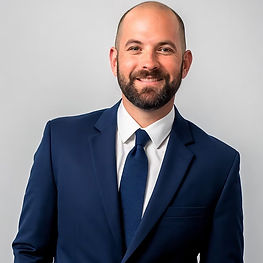
Austin Pederson, Executive Director of Chateau Health and Wellness
Brings over eight years of experience revolutionizing mental health and substance abuse treatment through compassionate care and innovative business strategies. Inspired by his own recovery journey, Austin has developed impactful programs tailored to individuals facing trauma and stress while fostering comprehensive support systems that prioritize holistic wellness. His empathetic leadership extends to educating and assisting families, ensuring lasting recovery for clients and their loved ones.


